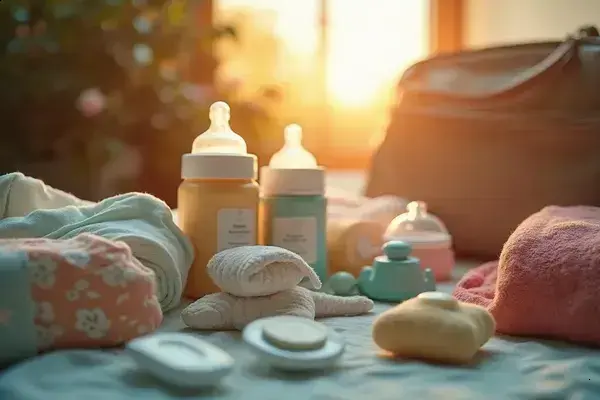
Your living room’s bursting with cute onesies and tiny shoes you were sure you’d need — but here’s a truth: most new parents realize half goes untouched. Ever find yourself staring at endless baby product lists, feeling anxious about missing something crucial and overwhelmed by stuff you probably don’t need? It’s a headache that hits right before baby arrives and doesn’t let up until you figure out what really matters.
The problem? Baby stores want you to believe you need every gadget, backup, and novelty item out there. But bringing your newborn home isn’t supposed to drain your savings or fill your home with clutter. After all, too much stuff is just more to wash, more to store, and more to trip over at 3 a.m. — right when you’re most exhausted.
So here’s the plan: you’ll get a real-world breakdown of what’s essential and what’s just noise, based on tried-and-true experience and expert recommendations. By the end, you’ll have your baby registry checklist essential items sorted — and honestly, you’ll breathe easier seeing how much simpler things can be. Ready for some clarity?
Crib, Sleep, And Nursery Must-Haves
Setting up your baby’s nursery isn’t just about picking a theme—it’s about choosing items that actually help everyone sleep better. Think beyond cute decor for a minute. The real essentials come down to crib safety, comfortable sleep, and a few practical tools that make late-night wake-ups survivable.
So, what really belongs on your must-have list for crib, sleep, and nursery? It’s easy to get swept away by Pinterest-perfect rooms, but experts at the American Academy of Pediatrics stress that safe sleep starts with a firm, flat crib mattress that fits snugly within a crib meeting current safety standards (look for certifications from the Consumer Product Safety Commission).
- Crib: Choose a crib certified by the Juvenile Products Manufacturers Association (JPMA), with slats no more than 2 3/8 inches apart. Avoid drop-side cribs—these are banned for a good reason.
- Mattress: Opt for a waterproof-covered, GREENGUARD Gold certified mattress. Why? It reduces chemical exposure and allergens while making cleanup a breeze.
- Fitted Sheets: Only fitted sheets—no extras like pillows, bumpers, or heavy blankets. The right fit keeps the sleep surface flat and secure.
- Baby Monitor: While not required, a digital monitor with night vision (such as the Nanit Pro or Infant Optics DXR-8) gives peace of mind from another room.
- Blackout Curtains: Not gimmicky—these can dramatically improve nap and nighttime sleep by blocking out daylight and streetlights.
💡 Pro Tip: Before you buy a crib, measure your nursery space and doorways. In practice: Plenty of parents assemble cribs in a living room only to find it won’t fit through the bedroom door. Save yourself the headache—map it first.
| Essential | Purpose | Most-Trusted Source |
|---|---|---|
| Crib | Provides a safe, enclosed sleep space | Consumer Product Safety Commission |
| Mattress | Supports safe sleeping posture, easy cleanup | GREENGUARD Environmental Institute |
| Fitted Sheets | Ensures snug, hazard-free surface | American Academy of Pediatrics |
Picture this scenario: It’s 2 a.m., and you’ve just finished soothing your baby back to sleep. Instead of fishing for a lost pacifier or dealing with a jumbled pile of blankets, everything’s where it should be—and nothing’s blocking your baby’s breathing in the crib. That peace of mind? Worth every second you spent planning.
Some parents wonder if a bassinet or co-sleeper belongs in this essentials list. The truth is, these can be helpful in the first months but aren’t a substitute for a safe crib long-term. If you ever have doubts about sleep safety, talk to your pediatrician for guidance tailored to your home and family.
What actually works might surprise you…
Everyday Gear For Feeding And On-The-Go
When you’re juggling bottles at 3 a.m. or hustling out the door with a stroller, the right everyday gear isn’t a luxury — it’s your lifeline. Still, with shelves brimming with gadgets, how do you decide what’s worth your registry real estate and what’ll sit gathering dust?
Let’s cut through the chaos. Feeding gear should fit your lifestyle, whether that means exclusive nursing, bottle feeding, or a blend. The Centers for Disease Control and Prevention highlights the need for BPA-free bottles and sterilizers to safeguard your baby’s developing immune system. For on-the-go essentials, look for items that pass both the convenience test and the real-world “spill test.”
- Pick Your Bottles and Nipples: Start with 4-6 bottles (4oz for newborns) with slow-flow nipples. Brands like Philips Avent, Dr. Brown’s, and Comotomo are parent favorites — but you may need to try a couple to find your baby’s match.
- Choose a Sterilizer: Countertop sterilizers are fastest, but microwave steam bags (like Medela’s) are portable and low-cost.
- Get an Insulated Bottle Carrier: Look for one that keeps bottles cool or warm while on the road. Bonus if it can be wiped clean in seconds.
- Stroller Selection: Full-size, lightweight umbrella, or car seat “travel system” — pick based on your space and routine. Top choices include the UPPAbaby Vista, Babyzen YOYO2, and Graco Modes.
- Large, Easy-Clean Diaper Bag: Prioritize wipeable linings, plenty of compartments, a bottle sleeve, and a changing mat. Brands like Skip Hop, Itzy Ritzy, and JuJuBe offer styles for every taste.
- Bottles and Slow-Flow Nipples
- Countertop or Microwave Sterilizer
- Insulated Carrier
- Compact Stroller or Travel System
- Wipeable Diaper Bag
💡 Pro Tip: Always pack an extra shirt for yourself in the diaper bag — formula leaks, spit-ups, and toddler meltdowns happen right when you don’t expect them. The Mayo Clinic points out parental comfort makes outings less stressful for everyone.
| Item | Main Benefit | Recommended For |
|---|---|---|
| Bottle Warmer | Heats milk evenly on demand | Night feeds, frequent travelers |
| Travel Stroller | Maneuvers in tight spaces, light | City dwellers, quick errands |
| All-in-One Diaper Bag | Organized for feeding + changing | Caregivers on the move |
Picture this scenario: You’re out at a park, your baby’s hungry, and you need to prep a bottle one-handed while balancing a wiggling infant. The right gear means you’re calm, not scrambling — you’ll have what you need, right when you need it. And honestly? It’s those smooth moments that remind you gear really does make a difference.
But there’s one detail most parents completely overlook until it’s too late…
Diapering Essentials: What You’ll Really Use
What’s the real secret to stress-free diaper changes? It’s not about having a mountain of supplies — it’s about picking smart, reliable gear you’ll use every single day. But which diapering essentials actually make life easier, and which ones just take up space? Let’s break it down.
- Diapers: Decide between disposable (like Pampers Swaddlers or Huggies Little Snugglers) and cloth (such as GroVia or BumGenius). Both have pros and cons for cost, convenience, and environmental impact.
- Wipes: Water-based, unscented wipes are gentlest on sensitive skin. Look for certifications from the National Eczema Association to avoid fragrance and harsh chemicals.
- Changing Pad: Waterproof and easy to wipe, with raised edges for safety. Portable changing mats are a must for quick changes on the go.
- Diaper Pail: Brands like Ubbi or Diaper Genie keep odors sealed away, but any well-sealing trash bin can do the trick—don’t let marketing convince you otherwise.
- Diaper Cream: Zinc oxide-based creams, like those approved by the American Academy of Pediatrics, protect against rashes and irritation.
💡 Pro Tip: Keep a mini diapering kit (a few diapers, wipes, and one cream) in every major room. In practice: During a mid-nap ‘blowout,’ you’ll be grateful not to dash down the hall hunting for supplies with a squirmy baby in tow.
| Essential | Why You’ll Use It | Best For |
|---|---|---|
| Disposable Diapers | Ultimate convenience, easy changes anywhere | Travel, overnight, quick cleanups |
| Cloth Diapers | Lower long-term cost, eco-friendly | Home use, sensitive skin |
| Diaper Pail | Keeps odors contained, tidy nursery | Small spaces, shared rooms |
Picture this scenario: You’re bleary-eyed from a night feed and your newborn is fussing. You reach for a soft wipe, a fresh diaper, and apply a gentle, pediatrician-recommended cream — all within arm’s reach. That’s what matters most: saving your energy for the moments that truly count, not wrestling crinkly over-engineered gear.
And this is exactly where most people make the most common mistake…
Health, Safety, And Baby Care Basics
Is your baby registry really ready if it doesn’t cover the basics of health and safety? Here’s the thing: tiny details make a massive difference when it comes to your newborn’s well-being and peace of mind. You’re not just gathering “stuff” — you’re quietly planning for moments you hope never happen, but absolutely must be prepared for.
- Digital Thermometer: A must-have for quickly checking fevers. Pediatricians recommend a rectal model for infants under three months, according to the American Academy of Pediatrics.
- Nasal Aspirator: Forget the old bulb—try a filtered nasal aspirator like NoseFrida (developed by pediatric specialists) to clear congestion quickly.
- Baby Nail Clippers: Rounded-tip clippers or electric files keep tiny nails safe. Sharp edges are a real injury risk, especially as your baby starts to grab at everything.
- First-Aid Kit: Include baby-safe bandages, antiseptic wipes, and a digital thermometer. Some parents add a medication dispenser for pain relievers recommended by their pediatrician.
- Humidifier: Cool-mist models ease breathing and gently moisten dry nursery air, which the Mayo Clinic recommends to help prevent respiratory issues in the first year.
⚠️ Important Warning: Always consult your pediatrician before giving any medication or using new health-related gear. Every baby is unique, and expert guidance makes all the difference when it counts.
| Essential | Why You’ll Use It | Expert Tip |
|---|---|---|
| Digital Thermometer | Accurate fever checks, emergency readiness | Go rectal for infants under 3 months |
| Filtered Nasal Aspirator | Clears stuffy noses gently, quickly | Use with saline drops for best results |
| Cool-Mist Humidifier | Reduces dry skin, improves sleep | Clean weekly to prevent mold |
In practice: You’re up at 2 a.m. because your baby feels warm. With a digital thermometer and a ready kit, you’re calm—no frantic searches or second-guessing. Tools that work fast mean you react with confidence, not panic, especially when you most need that clear head.
What actually works might surprise you…
What You Can Skip (And Why You’ll Be Glad You Did)
Ready to trim the fat from your registry? Let’s talk about what you really don’t need. Overbuying doesn’t just eat your budget — it fills your home with clutter and creates stress every time you reach for the essentials.
- Wipe Warmers: Babies honestly don’t notice — Nurses at the American Academy of Pediatrics confirm, a room-temperature wipe is just fine. Plus, these warmers often dry out the wipes and become yet another thing to clean.
- Bottle Sterilizers (For Most): Unless your baby has unique medical needs or your water supply is unreliable, your dishwasher or a quick boil is more than enough. These gadgets might seem convenient, but sink space is precious.
- Fancy Crib Bedding Sets: They look adorable, but loose blankets, bumpers, pillows — all are flagged as suffocation hazards by the Consumer Product Safety Commission. Stick to fitted sheets and skip the rest.
- Newborn Shoes & Outfits: Those tiny shoes are photo gold, sure, but functionally? Completely unnecessary — newborns can’t stand, and babies at this stage just need comfort and warmth.
- Heavy-Duty Baby Food Makers: Regular blenders or a fork work just as well when you start solids. You don’t need kitchen gear that only serves one fleeting phase.
💡 Pro Tip: Don’t be afraid to politely decline ‘nice-to-haves’ when friends or family offer to gift them. Suggest diapers, books, or savings instead—they’ll actually get used, and you’ll thank yourself later.
Picture this scenario: You’re shifting through stacks of stuff, frustrated because you can’t find the pacifiers. Half the objects in that drawer haven’t been touched in months. When you keep only what matters, you save time, money, and more than a little sanity. Your registry shouldn’t feel like a warehouse.
| Skip Item | Why Pass? | Trusted Insight |
|---|---|---|
| Wipe Warmer | Unnecessary gadget, dries out wipes | American Academy of Pediatrics |
| Crib Bedding Set | Raises SIDS risk, not recommended | Consumer Product Safety Commission |
| Newborn Shoes | Purely decorative, not needed | Experienced parents & pediatricians |
Once this is in place, the rest of the routine falls into place naturally.
Your First Baby Steps Simplified
If you take just one thing from this guide, let it be: you truly only need a handful of baby registry checklist essential items for a smoother, less overwhelming start. Focus on tried-and-true sleep, feeding, baby care basics, and skip the rest.
Before, adding every shiny gadget felt like the safest bet — but that just leads to clutter and stress. Now you know what works, what doesn’t, and what makes real-life parenting a little easier every day. That’s no small shift. Simpler, smarter choices take you from guessing to thriving.
So, which baby item will you actually cross off your registry first — and which one is a total must-have for your family? Share your top picks and real-life wins in the comments below!

About the Author: Lauren Marie Mitchell is a devoted mom of two and passionate pregnancy and newborn care writer who has spent years helping first-time parents navigate the beautiful chaos of expecting and raising a baby. Lauren created this blog after experiencing firsthand how overwhelming it can be to find clear, reliable guidance during pregnancy and the early newborn weeks — and how much difference a simple checklist or honest guide can make.
Lauren is not a medical professional — just a real mom who has been through the sleepless nights, the hospital bag panic, and the endless Google searches at 3 a.m. Every article on this site is researched using trusted sources including the American College of Obstetricians and Gynecologists (ACOG), the American Academy of Pediatrics (AAP), and the World Health Organization (WHO), so you always get information you can count on.